West Nile virus (WNv) is the most common mosquito‑borne disease in the United States, and it’s something we monitor closely here in Jackson County. Since 2020, JCVCD has tested 28 mosquito pools that were positive for WNv. Early detection helps us respond quickly and protect public health.
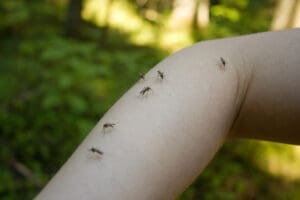
How mosquitoes get West Nile virus
Mosquitoes aren’t born with WNv. They become infected when they feed on a bird that is already carrying the virus. Birds are the natural reservoir for WNv, and once a mosquito becomes infected, it can spread the virus for the rest of it’s life.
How mosquitoes transmit West Nile to humans
Only infected female mosquitoes can transmit WNv. When an infected mosquito bites a human, the virus can betransmitted.
Humans cannot spread WNv to other humans through normal contact, and you cannot get it from horses or other mammals.
Symptoms humans should watch for
People infected with WNv may develop mild symptoms — or sometimes no symptoms at all. However, in rare cases, WNv can be serious and even life-threatening.
- Mild illness: fever, headache, body aches, joint pain, fatigue, rash
- More serious illness: neck stiffness, confusion, muscle weakness, tremors, numbness, or severe headache
If you develop symptoms after mosquito exposure, contact your healthcare provider. Early evaluation is important.
Mosquito Species That Carry West Nile Virus
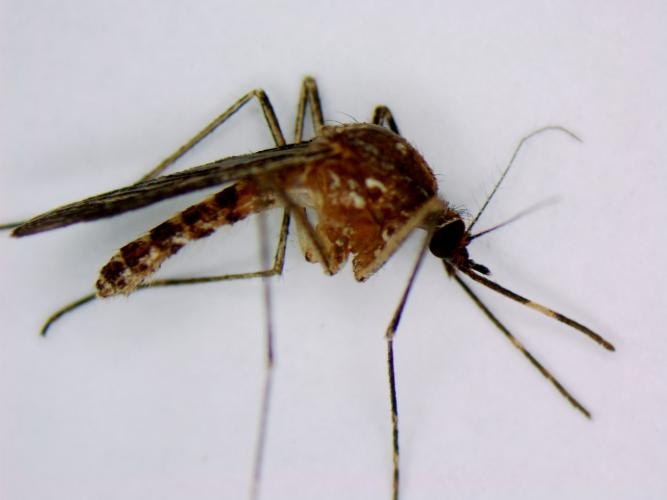
Primary WNv vectors in Jackson County:
- Culex tarsalis
- The most efficient West Nile vector in the western U.S.
- Common in rural, agricultural, and open areas.
- Highly associated with bird–mosquito transmission cycles.

- Culex pipiens (Northern house mosquito)
- Common in urban and suburban areas.
- Breeds in containers, gutters, storm drains, and standing water around homes.
- A major vector for human cases because it lives close to people.
What JCVCD is doing to protect our community
We use Integrated Mosquito Management (IMM) to reduce mosquito populations and lower the risk of WNv:
- Surveillance & testing: We trap mosquitoes across the county and test them for WNv all season long.
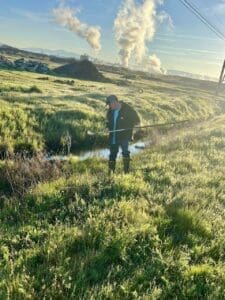
- Source reduction: We locate and treat standing water where mosquitoes breed.
- Storm drain treatment: Each year we treat over 40,000 storm drains to reduce Culex mosquitoes, the primary WNv vector.
- Mosquitofish program: We provide free mosquitofish to Jackson County residents for ponds, troughs, and other standing‑water sites.
- Targeted adult mosquito treatment: When WNv is detected or risk is elevated, we treat specific areas to reduce the threat to public health.
How residents can help
If you’re seeing increased mosquito activity around your home or neighborhood, call us 541-826-2199 or submit a service request. We’re here to help inspect, identify sources, and provide solutions.
Also you can see updates on the Oregon Health Authority: West Nile Virus Activity Page.
Together, we can reduce mosquito populations and protect Jackson County from WNv!
Board of Trustees Places Local Option Levy on the November 2026 Ballot
The Jackson County Vector Control District Board of Trustees — Craig Hility, Mike Taylor, Bruce Jackson, Cal Lanfear, and Robin Norris — has voted to place a local option levy on the November 2026 ballot.
The District requires additional funding to respond to increased demands for service and the rising costs to provide them. The proposed levy is $0.05 per $1,000 of assessed property value (about $1.25 per month / $15 per year for the average property owner).
To learn more, click here: Local Option Levy