
We still have a chance to eliminate this invasive mosquito—but only with your help.
Aedes aegypti is a non-native mosquito species that was first detected in Oregon in 2024. It is known for its aggressive daytime biting and its ability to transmit diseases such as dengue, chikungunya, yellow fever, and Zika. While the current disease risk remains low, the potential for long-term establishment is a serious concern.
2025 Update:
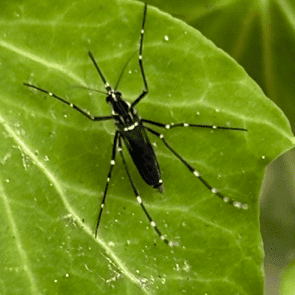
- Talent: No Aedes aegypti detected in 2025.
- Ashland: On August 26, 2025, six Aedes aegypti mosquitoes were found in two traps—marking the first detection in Ashland.
This shift in location underscores the importance of ongoing surveillance and community action.
What Makes Aedes aegypti Dangerous Unlike Our Native Mosquitoes?
- Prefers to bite humans, especially during daylight hours.
- Breeds in very small amounts of water—just a bottle cap’s worth.
- Can survive indoors and outdoors, making residential areas ideal habitats.
- Eggs can remain viable for months, even in dry conditions.
What JCVCD Is Doing
We are actively working with residents through door-to-door outreach to:
- Educate the public about this mosquito and how to prevent its spread.
- Identify and eliminate breeding sources in yards and neighborhoods.
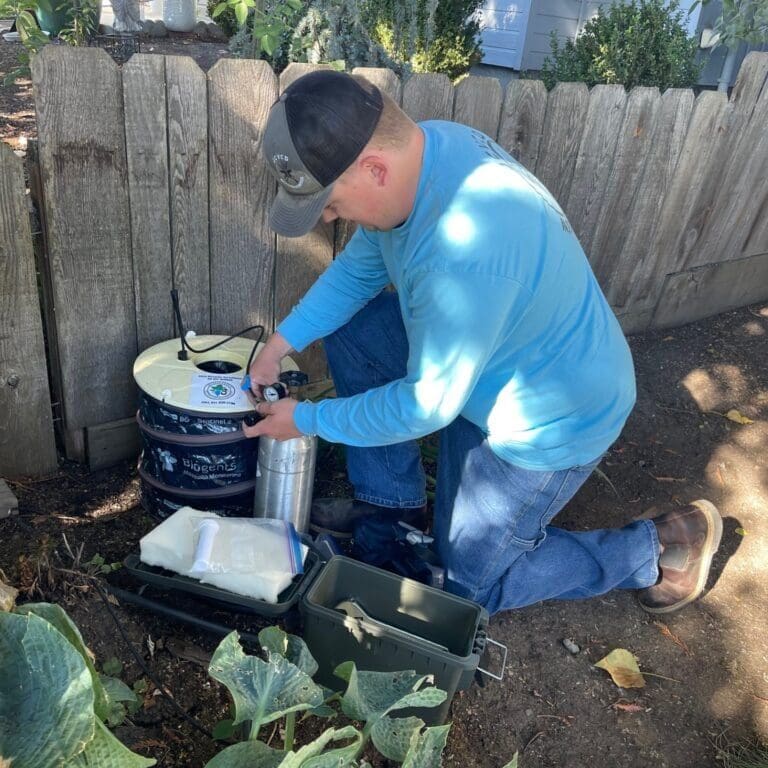
- Provide free BTI water dunks for residents with standing water sources like birdbaths or troughs.
Note: We are not conducting yard spraying at this time. Our focus is on education, source reduction, and community partnership.
How You Can Help
- Dump and wipe: Remove standing water and scrub containers like buckets, toys, plant saucers, and tarps.
- Inspect weekly: Check for hidden water sources and dry them out.
- Use BTI dunks: Safe for pets and wildlife, these biological controls prevent larvae from developing. Ask our team for free dunks.
- Report sightings: Let us know if you notice day-biting mosquitoes or suspect Aedes aegypti activity.
Identification Tips
| Trait | Description |
|---|---|
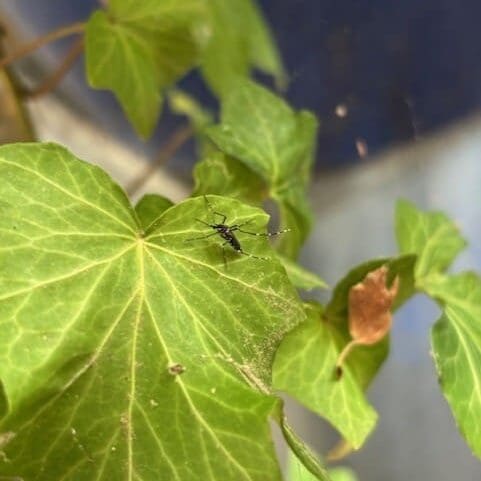
| Size | Small—less than ¼ inch |
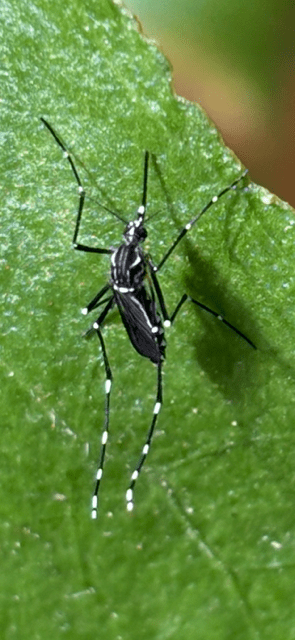
| Color | Dark body with white markings |
| Activity | Bites during the day, often ankles and wrists |
| Habitat | Urban areas, indoors and outdoors |
| Lifespan | Adults live ~3 weeks |
| Breeding | Eggs laid on container walls, hatch when water is present |
Together, we can prevent Aedes aegypti from becoming a permanent part of Jackson County. Your vigilance and action are essential.
MORE INFORMATION & RESOURCES
- CDC – Aedes aegypti Life Cycle
- CDC – Data and Statistics on Dengue in the United States
- CDC – Dengue Current Year Data
- CDC – Life Cycle of Aedes Mosquitoes
- CDC – Potential Range of Aedes Mosquitoes
- Deep Look – This Dangerous Mosquito Lays Her Armored Eggs in Your House
- Four Corners – An invasive tropical mosquito Aedes aegypti has been identified in York
- JCVCD – 2024 Invasive Aedes Detection
Report Aedes aegypti Mosquitoes
If you notice day-biting mosquitoes, please report them.