West Nile virus (WNv), a mosquito-borne virus that affects humans and other animals, has been detected in Oregon each year since 2004. Horses are particularly vulnerable and make up the majority of reported non-human cases. In each of the past five years, Oregon has confirmed between one and eight cases of WNv in horses. Vaccination and mosquito control have kept numbers far lower than in many other states, but the risk isn’t zero.

What West Nile virus means for horses
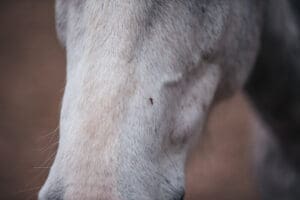
Horses can get WNv through the bite of an infected mosquito. Symptoms vary, but the biggest takeaway is simple: ➡️ If your horse seems weak, uncoordinated, or just “off” and not acting like themselves, contact your veterinarian. Early care matters, and vaccination remains the best protection.
What JCVCD does to protect horses & people:
- Trap & test mosquitoes throughout Jackson County to detect WNv as early as possible.
- Monitor mosquito populations so we know when and where WNv risk is highest.
- Locate and treat areas of standing water where mosquitoes develop, helping to stop them before they become flying (and biting!) adults.
- When WNv is detected or the risk increases, we may target adult mosquitoes in specific areas using EPA‑approved products applied in the evening when mosquitoes are most active.
What horse owners can do:
- Keep your horse’s West Nile vaccination current.
- Dump standing water around barns and pastures.
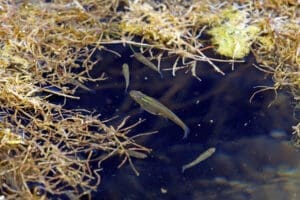
- Clean troughs and buckets regularly. Pick up free mosquitofish for you troughs and stock tanks
- If you notice unusual mosquito activity, contact JCVCD for inspection or guidance.
Board of Trustees Places Local Option Levy on the November 2026 Ballot
The Jackson County Vector Control District Board of Trustees — Craig Hility, Mike Taylor, Bruce Jackson, Cal Lanfear, and Robin Norris — has voted to place a local option levy on the November 2026 ballot.
The District requires additional funding to respond to increased demands for service and the rising costs to provide them. The proposed levy is $0.05 per $1,000 of assessed property value (about $1.25 per month / $15 per year for the average property owner).
To learn more, click here: Local Option Levy