
Aedes aegypti: What We Know, What We’re Watching, and How JCVCD Responds
Aedes aegypti is an invasive mosquito species that has been expanding its range across the western United States. This species is known for it’s preference for feeding on humans, it’s habit of laying eggs in small, water-holding containers around people’s homes, and it’s role as the primary vector of several important diseases worldwide including dengue, chikungunya, and Zika virus. Because of these factors, this species requires more monitoring, fieldwork, and community engagement to manage than our native mosquitoes. Jackson County Vector Control District (JCVCD) continues to track this species closely to protect public health and maintain the quality of life in our communities.
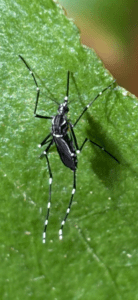
When Aedes aegypti Was First Detected in Jackson County
2024 – First Detection in Talent
On July 23, 2024, JCVCD surveillance staff incidentally captured the first Aedes aegypti ever found in Oregon. The mosquito was collected in a routine trap in the city of Talent, and identification was confirmed on July 29.
Between late July and mid‑September, JCVCD collected 138 adult Aedes aegypti from 28 trap sites, all in the northwest portion of Talent.
2025 – A New Population is Detected in Ashland
The following year, on August 26, 2025, Aedes aegypti was detected again—this time in southern Ashland, near Glendale Avenue.
Over the following weeks, JCVCD collected a total of 51 Aedes aegypti from this area.
As in 2024, we coordinated with the Oregon Health Authority (OHA) and began enhanced surveillance and door‑to‑door outreach within days of the initial detection.
These detections show that Aedes aegypti can appear suddenly and establish small, localized populations that require a fast response.
What We’re Doing in 2026:
Because Aedes aegypti typically struggles to overwinter in colder climates such as in Jackson County, it is not guaranteed to return each year. However, the species has proven capable of reappearing in new areas, and early detection is critical.
In 2026, JCVCD will:
- Deploy traps that specifically target invasive Aedes mosquitoes
- Increase container‑breeder surveillance in residential areas
- Conduct door‑to‑door inspections if any detections of invasive Aedes occur
- Work closely with OHA and local partners to coordinate a response
- Expand public education on removing small water sources around homes
Our goal is simple: find them early, respond quickly, and prevent establishment.
Why Aedes aegypti Requires So Much More Work
Unlike our native mosquitoes, which mostly prefer more natural water sources that have predictable seasonal patterns, Aedes aegypti:
- Breeds in tiny containers—bottle caps, toys, plant saucers, tarps, buckets
- Lives close to homes and people
- Bites aggressively during the day
- Lays eggs that are resistant to drying out
- Requires intensive neighborhood‑level surveillance
- Demands frequent site revisits and intensive public outreach
Managing this species takes significantly more time, staff hours, and fieldwork than any other mosquito in our county. A single neighborhood detection can require:
- Dozens of property inspections
- Multiple trap types deployed simultaneously
- Repeated larval surveys
- Community education and follow‑up visits
- Coordination with state health agencies
This is why Aedes aegypti is considered one of the most difficult and labor‑intensive mosquitoes in the world to control.
What JCVCD Will Do If Aedes aegypti Returns
If we detect this species again in 2026, JCVCD will immediately:
- Begin intensive trapping
- Conduct door‑to‑door inspections and outreach
- Remove or treat mosquito sources as necessary
- Provide mosquitofish where appropriate
- Increase public notifications and education
- Work with the Oregon Health Authority (OHA) and Jackson County Health and Human services to coordinate a response
- Continue monitoring until no further detections occur
Our goal is to protect public health and prevent this invasive mosquito from becoming established in Jackson County.
How Residents Can Help
Aedes aegypti thrives in and around people’s homes. You can help by:
- Dumping standing water weekly
- Scrubbing containers where eggs may stick
- Checking items like toys, buckets, plant saucers, and tarps for standing water
- Reporting mosquito activity or standing water
- Submitting a service request if you see daytime‑biting mosquitoes
Together, we can reduce the risk of Aedes aegypti returning and protect our community.